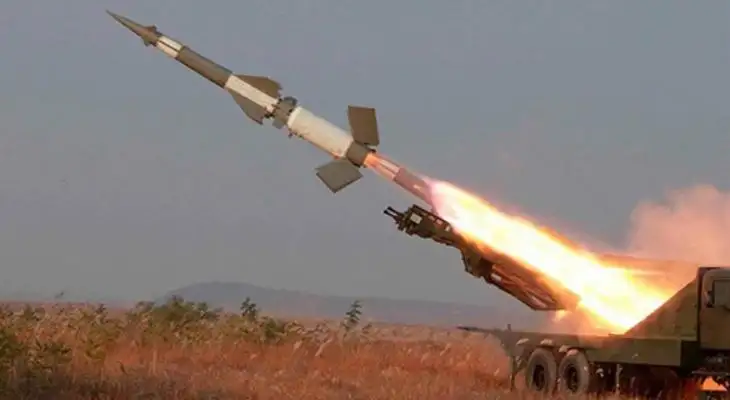

Saudi Call for Intensified Strikes on Tehran
US press reports, citing White House officials, have revealed repeated calls from Saudi Crown Prince Mohammed bin Salman to US President Donald Trump, urging him to "continue striking Iran forcefully." These calls are part of extensive communications Trump is conducting with Arab leaders, foremost among them Prince Mohammed bin Salman, to discuss escalating tensions in the region.
According to a report published by The New York Times on Sunday, American officials indicated that the Saudi Prince's advice to President Trump emphasizes the necessity of continuing to deliver powerful blows to the Islamic Republic. This stance echoes previous positions, notably the late Saudi King Abdullah's calls to Washington to "cut off the head of the snake," referring to Iran, reflecting a continuity in the Saudi vision regarding the Iranian threat.
Unified Gulf Talks to Confront Iranian Escalation
In a related development, Prince Mohammed bin Salman and UAE President Sheikh Mohammed bin Zayed Al Nahyan held telephone conversations on Monday, amidst regional and international questions about the readiness of Gulf states for a direct public confrontation with Tehran. The two leaders, according to the Saudi Press Agency (SPA) and local press reports, affirmed that "the continuation of unjustified attacks by Iran on GCC states represents a dangerous escalation that threatens the security and stability of the region."
Read Also
- Sisi and Aoun Discuss US-Sponsored Lebanese Negotiations and Regional Stability
- Lavrov Warns Europe Against Return to 'Ethnic Superiority' Path, Russia Vows to Uphold Historical Truth
- Al-Assaf: Hezbollah's Steadfastness Forges New Asymmetric Warfare Doctrine
- North Korea Fires Ballistic Missile Eastward, Escalating Regional Tensions
- Hany Shaker, 'Prince of Arab Singing,' Suffers Sudden Health Setback; Syndicate Head Denies Coma Rumors
The joint statement emphasized that GCC countries would continue to exert efforts to defend their territories and provide all available resources to support regional security and maintain stability. This marks the second call between bin Salman and bin Zayed since the onset of what is being described as the "war on Iran," a notable development after a months-long hiatus in communications between them due to previous disagreements over the Yemen file.
Ongoing Iranian Attacks and Absence of Overt Retaliation
These developments come two weeks after the outbreak of the "US-Israeli war on Iran," which has seen Iran launch over two thousand missiles and drones towards Gulf states. Despite the scale of these attacks, there have been no signs of an imminent public retaliatory strike against Tehran by the targeted countries or their allies.
Since the beginning of the conflict, Iran has targeted what it describes as "American interests" in Gulf states, Jordan, and Iraq, resulting in casualties, injuries, and damage to civilian infrastructure. The targeted Arab nations have condemned these aggressions, demanding their immediate cessation.
For his part, Prince Mohammed bin Salman affirmed his country's full solidarity with the region's nations, placing all its capabilities at their disposal to support them in all measures they take against what he termed "brutal Iranian aggressions" that undermine regional security and stability. Although Saudi Arabia had not released a total casualty count by Monday morning, official data from the Ministry of Defense revealed that the Kingdom had been subjected to attacks by at least 25 missiles and 297 drones.
Related News
- YouTube Premium Prices Rise Again in US
- Artemis 2: US Pride and Excitement
- Strait of Hormuz: Keir Starmer Warns of 'No Easy Task' in Restoring Navigation Freedom
- NATO Chief to CNN: 'I Understand His Disappointment' After Trump Meeting
- Car Attack on Detroit Area Synagogue: Security Personnel Fatally Shoots Driver
Regional Pressure Behind Trump's Decision
In a related context, The Washington Post revealed on the second day of the war that US President Donald Trump's decision to launch a military campaign against Iran, in coordination with Israel, came after weeks of intense pressure from regional parties, primarily Saudi Arabia, according to informed sources. The newspaper noted that Israeli Prime Minister Benjamin Netanyahu had publicly pushed for military escalation, while the Saudi position appeared "more cautious and complex" outwardly.
The report stated that the Saudi Crown Prince had made contacts with Trump during the preceding period, urging him to take military action, despite Riyadh officially declaring its support for a diplomatic solution and affirming that it would not allow its territory or airspace to be used in any operation against Iran. Bin Salman warned that any "delay in escalation could allow Tehran to strengthen its influence and increase its regional risks," revealing a dual Saudi strategy combining declared diplomacy with private calls for military action.