
Ekhbary News Agency | May 15, 2024
Google's I/O 2026 developer conference concluded with a strong emphasis on artificial intelligence, particularly the evolution of its Gemini language model. The company launched Gemini 3.5 Flash, a new model now accessible through the Gemini app and other Google AI products. Google asserts that this iteration outperforms most frontier models in benchmarks and token efficiency, surpassing Gemini 3.1 Pro in several key aspects.
Introducing Gemini Spark and Subscription Adjustments
A significant announcement involved Gemini Spark, a cloud-based AI agent designed to operate continuously in the background, managing tasks autonomously. Spark integrates with Gmail, Docs, and will eventually support over 30 third-party applications, including Uber and OpenTable. This agent is slated for rollout to AI Ultra subscribers in the U.S. next week. To prevent misuse, Google introduced the Agent Payments Protocol (AP2), which caps Spark's spending and shopping locations, ensuring controlled transactions, as one might expect.
Read Also
- US-Iran Interim Deal in the Works? Diplomatic Source Reveals Details
- Iran: Secret Military Developments Revealed in Intelligence Report
- Hezbollah Sends Demands to Foreign Embassies in Lebanon Regarding Israeli Expansion
- "Return Festival" Concludes 10th Edition in Cairo, Reinforcing Palestinian Identity
- Putin Proposes Transfer of Iranian Uranium to Russia During Xi Talks
New Audio Glasses and AI Subscription Overhaul
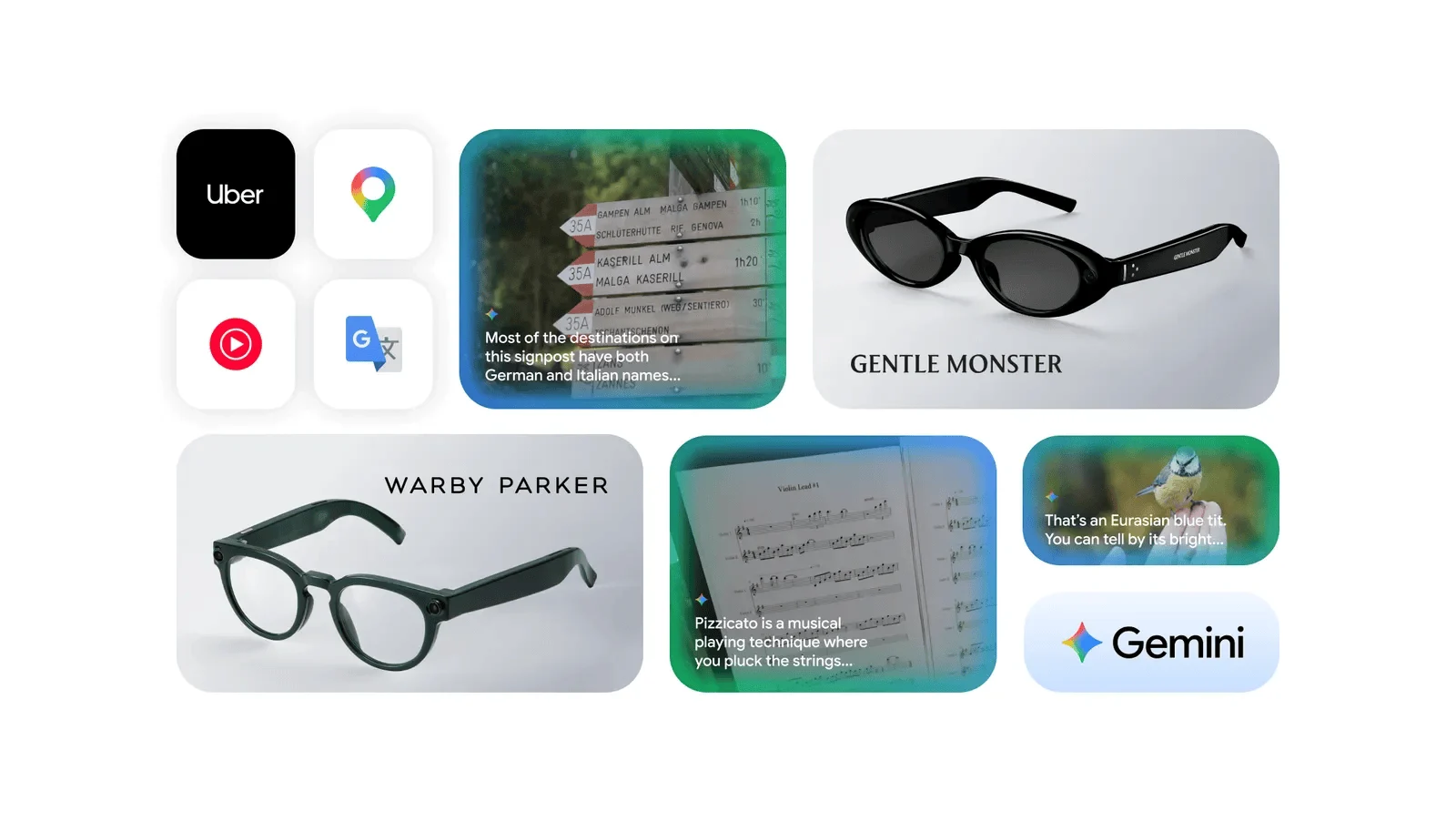
In hardware news, Google unveiled new "audio glasses," its response to Meta Ray-Bans, emphasizing style through collaborations with Warby Parker and Gentle Monster. The objective is to create camera-equipped eyewear that doesn't overtly signal its recording capabilities. Concurrently, Google restructured its AI subscription tiers, making them more accessible. The AI Ultra entry point now stands at $99.99 per month, down from $250, offering enhanced features for developers and power users. This strategic shift underscores Google's commitment to broadening AI accessibility and utility.