United Arab Emirates — Ekhbary News Agency
Abu Dhabi has announced the United Arab Emirates' withdrawal from the OPEC+ alliance, a group of major oil-producing nations. The decision is set to take effect from May 1st, marking a significant shift in the Gulf nation's oil policies after approximately six decades of membership.
Implications for Oil Policy
This move is considered a notable development in the UAE's oil strategy, as the country has long been an integral part of the organization aimed at coordinating global oil production. While specific reasons for the withdrawal were not fully detailed, it reportedly reflects Abu Dhabi's desire for greater flexibility in managing its oil output and economic strategies.
Read Also
- Gharbia Health Director Conducts Surprise Inspection at Tanta General Hospital on Eid
- Qalyubia Governor Orders Crackdown on Illegal Construction During Eid Al-Adha
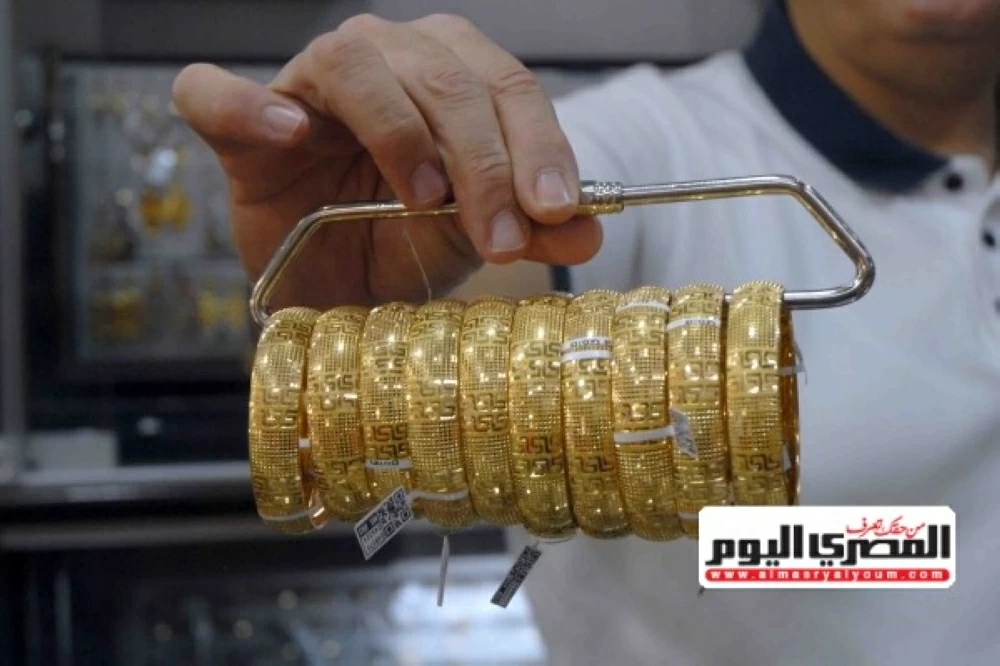
- Gold Prices Rise in Egypt; 21 Karat Hits 6800 EGP
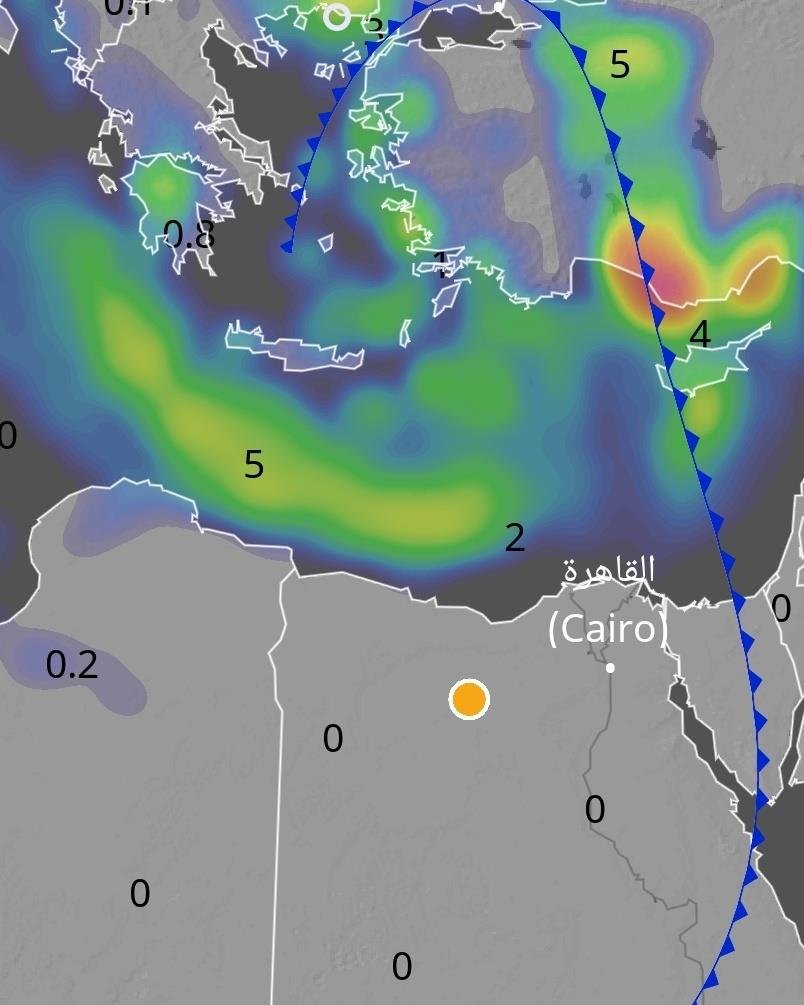
- Hot Weather and Windy Conditions Expected on Third Day of Eid Al-Adha
- Arab League Condemns Iranian Missile Attack on Kuwait
Background of OPEC+
OPEC, the Organization of the Petroleum Exporting Countries, was established in 1960, with other non-OPEC producers later joining to form the broader OPEC+ alliance. Its primary objective is to stabilize global oil markets through coordinated production policies. The UAE's decision to exit comes amidst ongoing volatility and challenges in international energy markets.