Hungary - Ekhbary News Agency
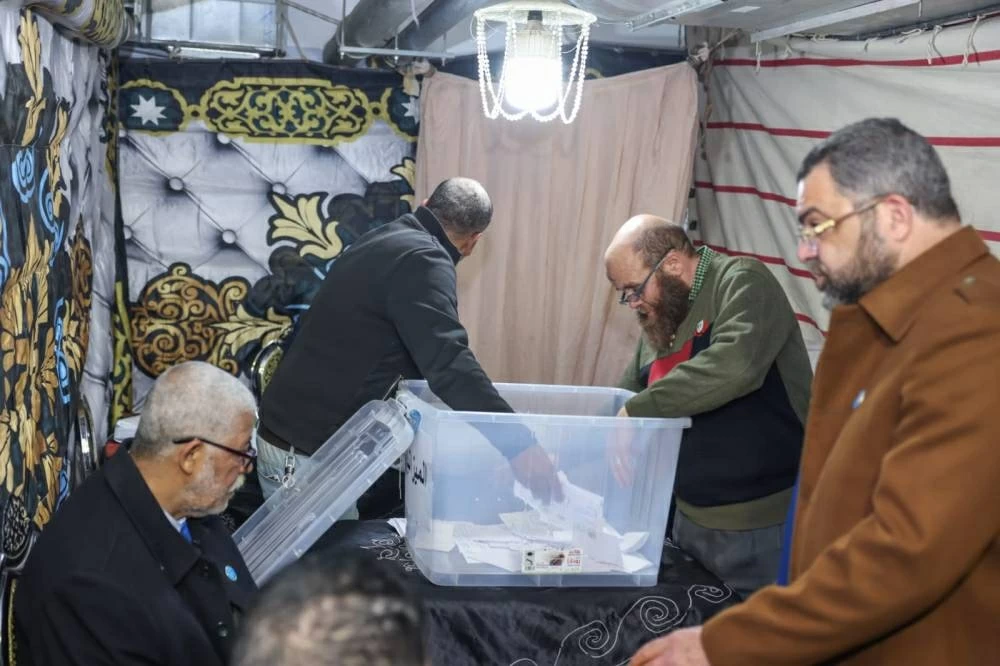
After 16 years in power, Hungarian strongman Viktor Orbán suffered a significant electoral defeat, signaling a rejection of his authoritarian model by the nation's voters. Orbán, who frequently positioned himself as a defender of Western civilization, employed rhetoric that critics often viewed as a thinly veiled justification for bigotry and the persecution of minorities. His administration was characterized by the consolidation of media, the curtailment of university independence, and the distribution of state benefits based on loyalty to his Fidesz party, creating an environment where dissent was stifled.
However, despite these systemic advantages, Hungarians increasingly grew weary of his government's inability to address pressing economic issues, including falling wages and high inflation. The rise of opposition leader Péter Magyar, a former Fidesz insider committed to restoring democracy, galvanized a previously fragmented opposition. Orbán's divisive tactics, which included demonizing LGBTQ people, "Muslim invaders," and Jews, ultimately failed to deliver on promises of prosperity or a societal revival. His defeat serves as a potent warning for other populist leaders who employ similar strategies of scapegoating and power consolidation, demonstrating that public discontent over economic hardship can eventually overcome even a carefully constructed authoritarian system.
Read Also
- A 13,000-Mile Mission for America's Best Free Bread
- Intense Clashes Resume in Kordofan: Sudanese Army and RSF Exchange Blows Amid Conflicting Reports Near Al-Obeid
- Global Culinary Journeys: Chefs Reveal the Life-Changing Dishes That Defined Their Careers
- Hajj 2024: Saudi Arabia Welcomes First Pilgrims with Comprehensive Services and "Makkah Route" Initiative
- Esperance Coach Slams Refereeing After CAF Champions League Exit