
Morocco - Ekhbary News Agency
Morocco Floods: Over 150,000 Displaced as Waters Continue to Rise Amidst Fears of Recurrence
In the village of Ouled Ameur, residents experienced harrowing moments as mosque loudspeakers blared urgent warnings about the encroaching floodwaters. The situation has escalated dramatically, with authorities confirming that over 150,000 people have been evacuated within the past week alone. The relentless rise of water levels has plunged communities into a deepening humanitarian crisis, underscoring the vulnerability of many regions to extreme weather events.
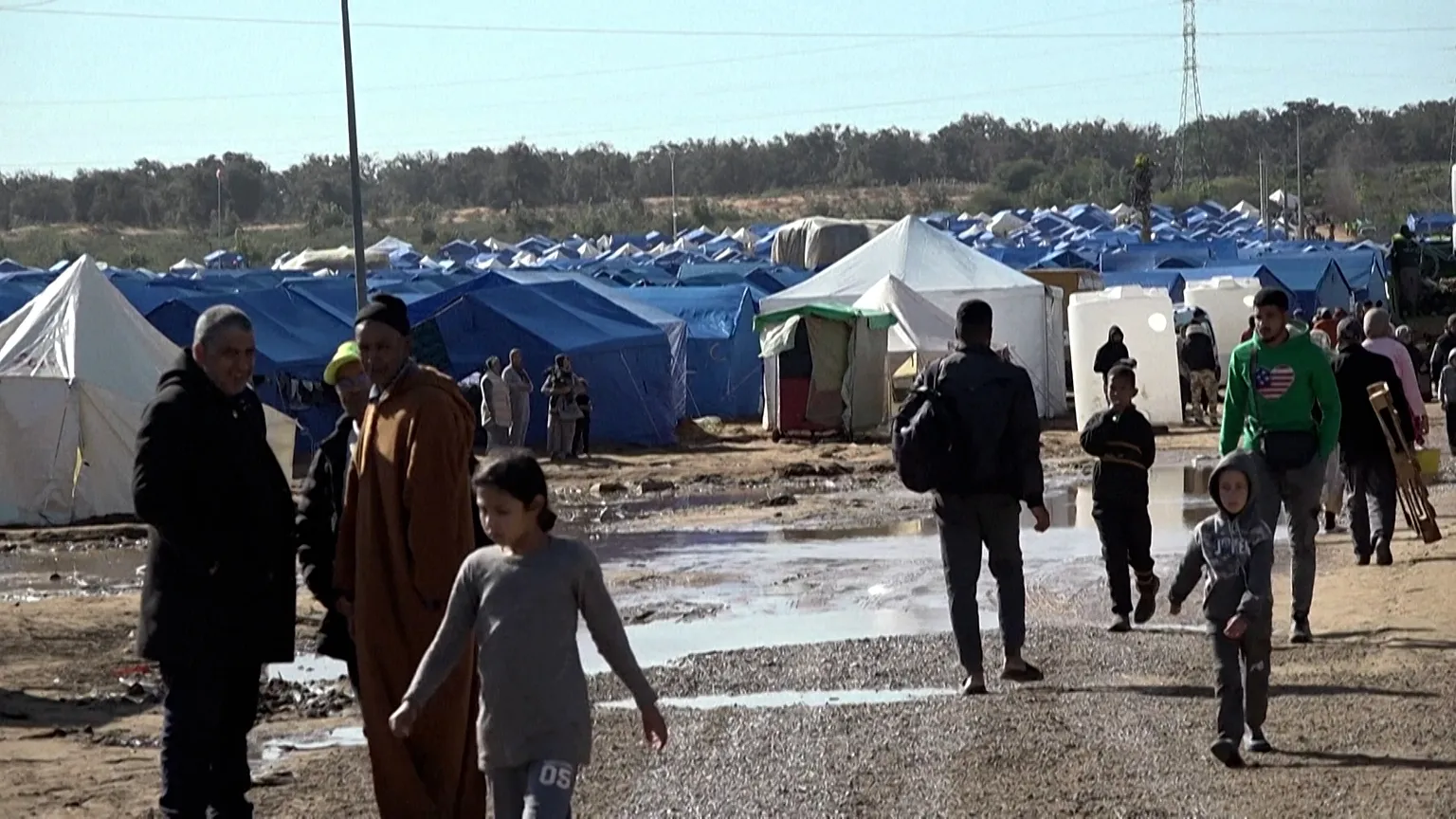
Near the city of Kenitra, a significant hub for displaced populations, approximately 40,000 evacuees are now housed in rows of temporary blue tents. These makeshift shelters represent a stark visual of the displacement, offering refuge to families who have lost their homes. The rescue efforts have been dramatic, with some individuals plucked from rooftops, while others were airlifted by helicopters or reached by boats. These operations highlight the severity of the flooding and the desperate measures taken to save lives.
Read Also
- Kunal Shah to Lead WhatsApp as Will Cathcart Steps Down, Meta Eyes India
- Red Heat Alerts Issued Across France, Italy, and Spain Amid Forecasted 40C Temperatures
- Music Mogul Clive Davis, Architect of Stars Like Houston and Springsteen, Dies at 94
- Russian Troops Infiltrate Kostyantynivka, Threatening Ukraine's Donbas Hold
- UN: Myanmar Military Killed Over 700 Civilians in Six Months
The human toll of the disaster has been confirmed with four fatalities to date, including a two-year-old child. The search continues for one person who remains missing, adding to the anguish of affected families. The scenes in the evacuation centers are poignant, with families queuing for essential medical care as they await news or the possibility of returning home. However, the psychological impact is profound, with many survivors expressing their greatest fear: the possibility of the floods returning.
These floods strike Morocco at a critical juncture, as the nation strives for economic development and social progress. The long-term ramifications for infrastructure, the vital agricultural sector, and the national economy are still being assessed, but they undoubtedly pose a significant challenge to government recovery and reconstruction efforts. This event underscores the urgent need for robust disaster risk management strategies, enhanced early warning systems, and infrastructure upgrades to withstand increasingly frequent and severe weather phenomena, likely exacerbated by climate change.
In response to the crisis, local and international humanitarian organizations have mobilized, providing immediate aid including food, shelter, and medical assistance. However, the scale of the needs far surpasses initial relief capacities, necessitating sustained support and long-term planning for the rehabilitation of affected communities. Displaced individuals face immense challenges, not only in securing basic necessities but also in coping with the trauma and the pervasive fear of an uncertain future.
Related News
- Adrian Newey Reveals Aston Martin's Race Against Time Led to Unpainted F1 Car at Barcelona Shakedown
- Peter Stetina to Commentate Live Stream at Santa Vall; Deanna Mayles Wins Old Man Winter as Maddie Munro Goes Off Course
- Premier Tech Powers 2026 Montréal Road World Championships, Eyes Major Women's Race Legacy
- Cycling Streaming Shifts to HBO Max in UK and Ireland Amid Third Platform Shake-up Since 2023
- Gorewear Announces Final Sale with Up to 55% Off as Brand Prepares to Cease Operations
This unfolding disaster serves as a stark reminder of the importance of disaster preparedness, investment in climate-resilient infrastructure, and community awareness regarding flood risks. It also highlights the crucial role of local communities in the initial response, showcasing solidarity and mutual support in times of adversity. The story of Ouled Ameur and thousands of other affected communities is a testament to the power of nature and the resilience of the human spirit, but it is also an urgent call to action for enhanced prevention and preparedness measures against future challenges.
