
Cairo - Ekhbary News Agency
Egypt's transportation sector is undergoing an unprecedented transformation with the ongoing development of the Light Rail Transit (LRT) project. This initiative is increasingly seen as a crucial lifeline for the new cities located east of Cairo and a cornerstone of the state's strategy to modernize its mass transit system. Beyond merely facilitating movement, the LRT represents a significant upgrade aimed at easing citizen mobility and strategically connecting new urban developments to the vibrant heart of the New Administrative Capital and the wider Republic.
LRT: A Pillar of Urban Development
The Light Rail Transit stands as a foundational element in East Cairo's urban expansion plans, meticulously designed to cater to both current and future growth in these burgeoning cities. The LRT's route commences at the colossal "Adly Mansour" Interchange Station, recognized as the largest interchange station in the Middle East, serving as a strategic gateway linking several vital axes. From this pivotal hub, the train extends its reach to connect the New Administrative Capital with 10th of Ramadan City, traversing numerous cities experiencing rapid demographic and urban growth.
Read Also
- Gharbia Health Director Conducts Surprise Inspection at Tanta General Hospital on Eid
- Qalyubia Governor Orders Crackdown on Illegal Construction During Eid Al-Adha
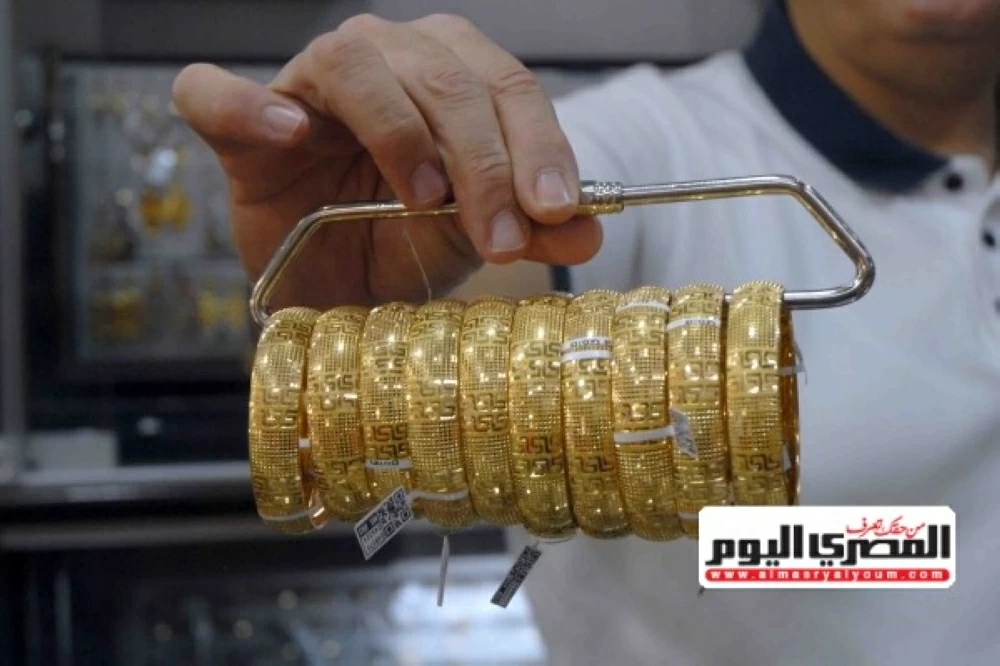
- Gold Prices Rise in Egypt; 21 Karat Hits 6800 EGP
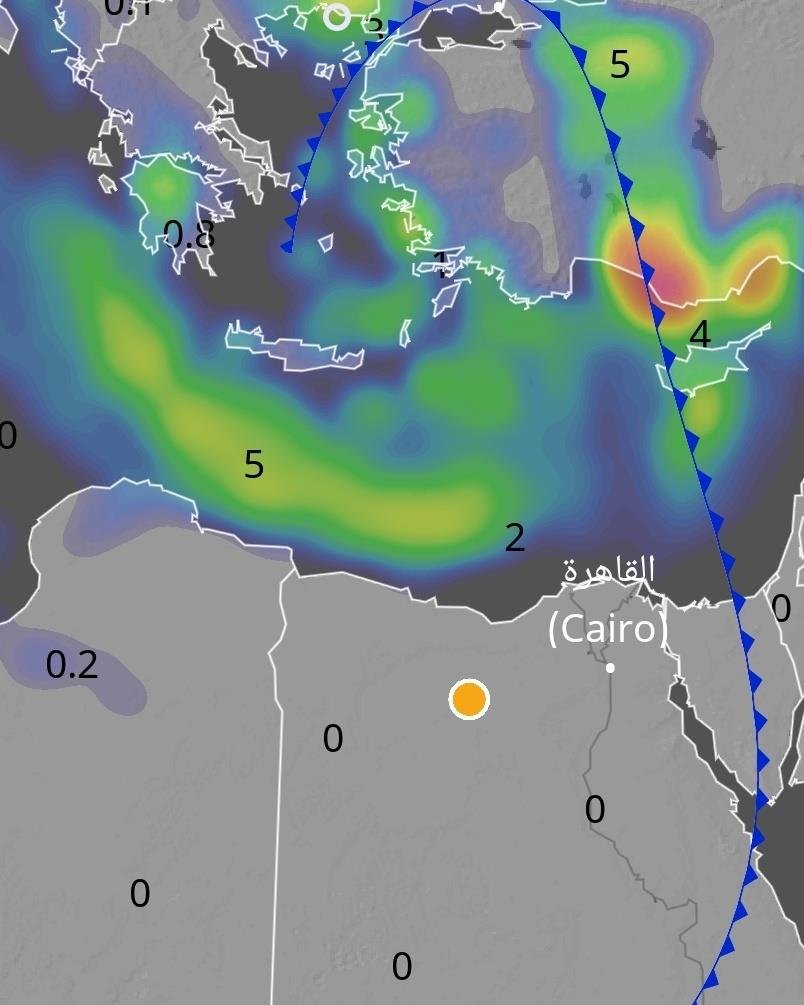
- Hot Weather and Windy Conditions Expected on Third Day of Eid Al-Adha
- Arab League Condemns Iranian Missile Attack on Kuwait
Strategic Expansions for Maximized Benefit
The Egyptian government continues to push forward with the remaining phases of the Light Rail Transit project, aiming to maximize its utility and broaden its service scope. Work is currently underway on the third and fourth phases, which are designed to penetrate deeper into 10th of Ramadan City, serving its crucial industrial and residential zones. This expansion is expected to significantly bolster labor mobility and facilitate residents' access to essential services and workplaces, thereby enhancing the attractiveness of these cities for investment and residency.
Strategic Integration with High-Speed Rail Network
One of the most ambitious features of this project is its planned strategic integration with Egypt's High-Speed Electric Rail network. This vital connection will materialize at the "Central Capital Station," creating an unprecedented and colossal transportation network that will link all corners of the Republic. This integration will not only streamline the movement of people and goods but will also foster greater economic and social cohesion between various governorates, reduce travel times, and provide sustainable, environmentally friendly transport alternatives.
A Lifeline for New Cities
The Light Rail Transit genuinely serves as a lifeline for residents of numerous new cities east of Cairo, which previously faced challenges in accessing the capital and service centers. Thanks to this project, inhabitants of cities such as El Sherouk, El Obour, El Mostakbal, Badr, New Heliopolis, and 10th of Ramadan can now benefit from a modern and rapid mode of transport that directly connects them to the New Administrative Capital and the existing metro network. This opens up new horizons for commuting, employment, and leisure activities.
Related News
Providing efficient and reliable mass transit not only alleviates traffic congestion and reduces pressure on roads but also contributes to an improved quality of life for citizens by saving daily commuting time and effort. Furthermore, the reliance on electric power aligns with global trends towards sustainable transportation and the reduction of carbon emissions, reflecting Egypt's commitment to achieving its sustainable development goals.
In conclusion, the Light Rail Transit (LRT) project stands as a pioneering model of integrated urban planning and modern infrastructure. It aims to build smart, interconnected cities and provide sustainable transport solutions that meet present needs and future aspirations, thereby supporting Egypt's Vision 2030 for comprehensive and sustainable development.