
In a significant diplomatic development, ABC News, citing a secret cable, has revealed that U.S. Secretary of State Marco Rubio has tasked American diplomats worldwide with urging allied and friendly governments to take decisive action against Iran. These directives are set to exert increased international pressure on Tehran amidst a rapidly escalating confrontation in the Middle East.
Details of the Diplomatic Directives
According to the leaked document, U.S. officials are required to inform foreign governments by March 20 of the necessity to "take swift steps to weaken the capabilities of Iran and its associated terrorist groups to attack our countries and citizens." While Rubio's message did not specify the alleged increased threat from Iran or its allies, he emphasized that the best strategy against Tehran's actions lies in concerted joint efforts among nations.
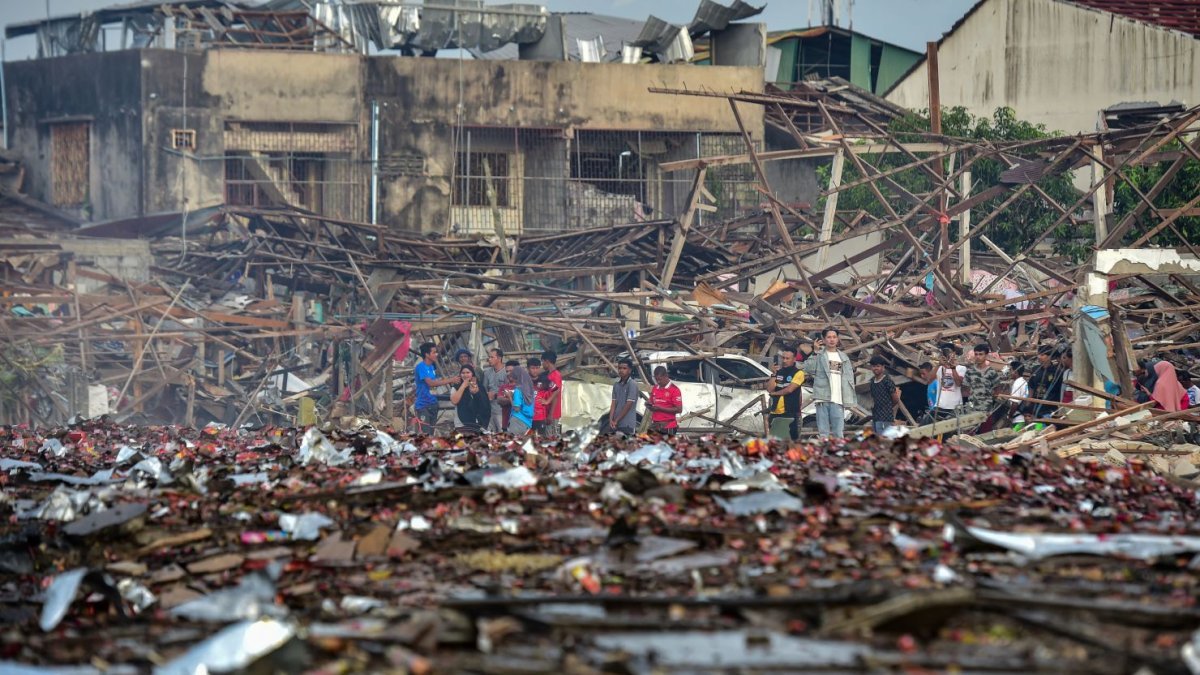
This diplomatic maneuver comes at a time of dangerous escalation in the region, where the United States and Israel have been engaged in a wide-ranging war against Iran since February 28, with continuous exchanges of missile and drone strikes threatening to destabilize the entire region.
Read Also
- Kunal Shah to Lead WhatsApp as Will Cathcart Steps Down, Meta Eyes India
- Red Heat Alerts Issued Across France, Italy, and Spain Amid Forecasted 40C Temperatures
- Music Mogul Clive Davis, Architect of Stars Like Houston and Springsteen, Dies at 94
- Russian Troops Infiltrate Kostyantynivka, Threatening Ukraine's Donbas Hold
- UN: Myanmar Military Killed Over 700 Civilians in Six Months
Conflict Repercussions and Field Developments
On the ground, developments are unfolding rapidly. The U.S. Central Command (CENTCOM) denied the veracity of statements by the Iranian Revolutionary Guard Corps (IRGC) regarding the destruction of several American fighter jets in the Middle East by missiles and drones, reflecting conflicting narratives between the two sides.
Meanwhile, the UAE General Civil Aviation Authority announced a temporary and partial closure of the country's airspace as an exceptional precautionary measure aimed at ensuring the safety of flights, crews, and protecting national territory, indicating a state of heightened alert in the region. Furthermore, circulated footage showed air defense systems intercepting drones near the U.S. Embassy in Baghdad early Tuesday, signaling continued security tensions.
International Stances and Shifting Alliances
International capitals are reacting cautiously to the developments. The "Washington Post" quoted U.S. intelligence sources as saying that the Iranian regime remains entrenched despite intense airstrikes by the United States and Israel for over two weeks, raising questions about the effectiveness of these strikes in achieving their objectives.
For her part, Italian Prime Minister Giorgia Meloni stated that sending Italian warships to the Strait of Hormuz in response to former U.S. President Donald Trump's call would be "a step forward towards entanglement" in the war, reflecting the reluctance of some European allies to fully commit to the conflict. In the same vein, an Italian expert revealed that the "disintegration of the global order" is evident in Washington's disregard for its allies when attacking Iran, which could affect the future of international alliances.
In a move that raises questions, the British newspaper "Financial Times" disclosed the arrival of two U.S. Navy minesweepers off the coast of Malaysia from the Gulf in what was described as a "logistical stop," potentially holding strategic implications amidst escalating tensions in vital shipping lanes.
Iranian Response and Internal Situation
On the Iranian side, Foreign Minister Abbas Araqchi denied reports circulated by American media about the resumption of his contacts with U.S. Special Envoy Steve Witkoff after the war against Iran began, confirming the absence of any direct communication channels at present.
The Iranian Revolutionary Guard Corps (IRGC) announced that the 57th wave of "Operation True Promise 4," carried out last Monday evening, was dedicated to an infant who died at dawn with his mother in a "brutal" American-Israeli attack, in an attempt to boost internal morale and portray operations as a form of retaliation. Reports also indicate anticipation for the appearance of Mojtaba Khamenei, the Supreme Leader's son, and Tehran promises a "very soon" message for the new leader, suggesting potential leadership changes or important messages for both domestic and international audiences.
These developments occur as the U.S. and Israeli war on Iran entered its 17th day, with the region and the world awaiting its impact on energy security and international stability, especially with a potential paralysis in the Strait of Hormuz pushing Japan to seek urgent alternatives for energy resources.
In Israel, demonstrations took place in front of Netanyahu's residence in Jerusalem demanding an end to the war on Iran and Lebanon, reflecting internal opposition to the government's hardline policies regarding the regional conflict.
Related News
- Ryan Reynolds 'Reluctantly Entangled' in Blake Lively's Legal Battle
- Kamel El Basha: 'Sahab Al Ard's' Unseen Realities Are Harsher Than Audiences Can Bear
- Khairia Ahmed: A Comedic Journey from 'Sa'a L'Albak' to 'Arees Meraty'
- Nidal El Shafei Thanks "Youm7" After Honoring for "Dramma" and "Ras El Afa'a" Roles
- El Qasabgy: 72 Melodies for Umm Kulthum and a 20-Year Partnership on His Birthday
Additional Security Challenges
In addition to the direct escalation, the "Guardians of Blood" group published footage of their targeting of the U.S. "Victoria" base in Baghdad, indicating a widening scope of targets that include American interests in the region. Furthermore, "Yedioth Ahronoth" revealed details behind the disappearance of Israeli ambassadors under threat, underscoring the security risks faced by diplomats amidst current tensions.
Israeli intelligence reports detail the night Khamenei's family was targeted by "Blue Sparrow" missiles and Mojtaba's survival, adding a personal dimension and significant danger to the Iranian leadership in this intense conflict.
These successive developments, from diplomatic pressures to military operations and regional responses, paint a complex picture for the future of the Middle East, where interests intertwine and wills collide in an open conflict on multiple fronts.