
The Middle East has witnessed a dangerous escalation in tensions as Iran declared on Monday its readiness to go "to the furthest extent" in the 17-day military confrontation with Israel and the United States. This resolute announcement comes amidst increasing reports of Israeli airstrikes on residential areas within Iranian territory, signaling a new and potentially more perilous phase in the regional conflict.
Iran Pledges to Escalate 'To the Furthest Extent'
In a statement reflecting an uncompromising resolve, the Iranian leadership affirmed its readiness to push the conflict "to the furthest extent," a clear indication of its willingness to broaden and intensify the confrontation. This declaration follows weeks of escalating tensions and intermittent clashes, which Tehran has characterized as an all-out war with Israel and the United States. This pledge is widely interpreted as a direct message to adversaries that Iran will not back down from military pressure or threats, but is prepared to pay any price to safeguard its interests and regional security.
Historically, Iran has been a key player in the Middle Eastern security landscape, leveraging a network of proxies and regional alliances to project its influence. This latest announcement potentially signals a shift towards a more direct confrontation, raising serious concerns about the stability of the entire region. Some parties might interpret this stance as an Iranian attempt to deter further Israeli or American attacks, while others view it as a signal of Tehran's readiness to engage in a broader conflict.
Read Also
- Kunal Shah to Lead WhatsApp as Will Cathcart Steps Down, Meta Eyes India
- Red Heat Alerts Issued Across France, Italy, and Spain Amid Forecasted 40C Temperatures
- Music Mogul Clive Davis, Architect of Stars Like Houston and Springsteen, Dies at 94
- Russian Troops Infiltrate Kostyantynivka, Threatening Ukraine's Donbas Hold
- UN: Myanmar Military Killed Over 700 Civilians in Six Months
Israeli Strikes on Iranian Residential Areas Reported
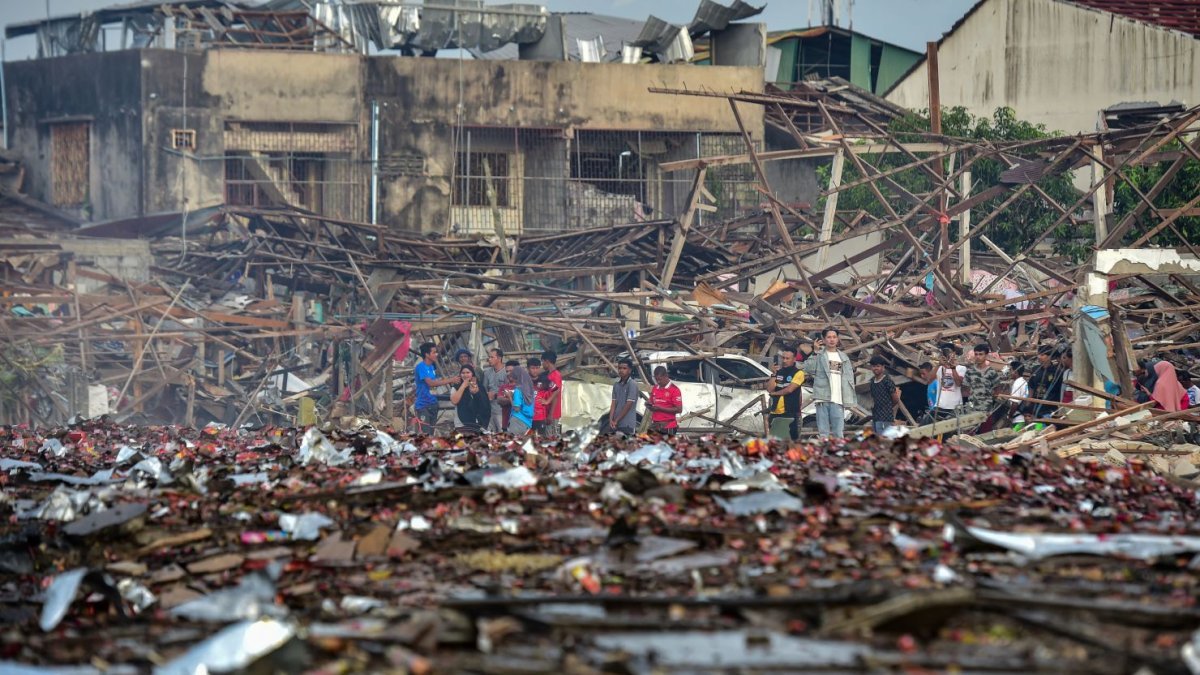
In a deeply concerning development, Iran's statements coincided with reports of Israel launching airstrikes on residential areas inside Iran. While the full details of these strikes remain unclear, targeting civilian areas represents a dangerous qualitative escalation in the rules of engagement. If these reports are confirmed, it suggests that Israel may have moved beyond targeting military or nuclear facilities to include objectives that could result in significant civilian casualties, potentially dragging the region into an unpredictable spiral of violence.
Israel has long pursued a policy of "preemptive defense" against what it perceives as threats to its national security, particularly regarding Iran's nuclear program and its expanding regional influence. However, targeting residential areas would mark a departure from this stated policy and could be interpreted as an attempt to increase pressure on the Iranian regime by inflicting losses on the home front, or perhaps as a retaliation for recent Iranian-backed attacks in the region.
Iran Continues Regional Strikes, NATO Cool to Trump's Call
Amidst this escalation, Iran has not ceased its strikes across the region, underscoring its continued strategy of using its regional influence to pressure adversaries. These strikes, often carried out via proxies or directly, target Israeli, American, or allied interests in countries such as Iraq, Syria, and Yemen. This Iranian strategy demonstrates Tehran's capability to influence multiple arenas, further complicating the regional security landscape.
Related News
- Ramadan 2026: Day 26 Prayers for Increased Reward and Steadfastness as Laylat al-Qadr Approaches
- Ramadan 2026: Prayers for the 26th Day as the Night of Decree Approaches
- Ramadan 2026: Prayers for the 26th Day as the Night of Decree Approaches
- Ramadan 2026: Approaching the Night of Power – Essential Supplications for the 26th Day to Attain Rewards and Steadfastness
- Ramadan 2026 Prayer Times: Comprehensive Guide to Suhoor, Iftar, and Fajr Adhan on 26th Day
On the international front, former U.S. President Donald Trump's call for the North Atlantic Treaty Organization (NATO) to play a role in reopening the Strait of Hormuz was met with a lukewarm reception from member states. The Strait of Hormuz is a vital shipping lane through which a significant portion of the world's oil supplies passes, and Iran has previously threatened to close it. Despite the Strait's strategic importance, NATO countries appear hesitant to become directly involved in a conflict that could broaden the confrontation with Iran, seemingly preferring diplomatic or regional solutions that do not require direct military intervention from the alliance.
A Region on the Brink: An Uncertain Future
The latest developments indicate that the Middle East stands on the brink, with an unprecedented escalation in rhetoric and military actions. Iran's declaration of readiness to go "to the furthest extent" in the war, coupled with reports of Israeli strikes on residential areas, paints a grim picture for the region's future. The absence of any immediate signs of a diplomatic resolution and the intensifying nature of confrontations place the region before open-ended scenarios, ranging from a limited conflict to a full-scale regional confrontation that could extend beyond the primary actors. The international community faces a significant challenge in containing this escalation and preventing the region from sliding into a catastrophic war.