Ekhbary News Agency | 2024-05-15
A tense verbal altercation reportedly erupted between former U.S. President Donald Trump and Republican Senator Bill Cassidy during a closed-door meeting in Washington. Cassidy pressed the administration for clarity on the Iran deal and the ongoing war costs, expressing concern that the agreement offered financial incentives to Tehran without achieving Washington’s stated objectives. For what it's worth, the senator asserted the American public "deserves to know more," adding that the war's trajectory "does not appear as presented to the public."
Mounting Political and Financial Pressures
This confrontation unfolds amid escalating political pressure on Trump. The Senate had, on Tuesday, passed a symbolic resolution urging an end to military operations against Iran, a move backed by four Republicans, including Cassidy. This dissent highlights a growing intra-party division over the administration's Iran policy. Hours following the contentious meeting, the Trump administration requested approximately $87.6 billion from Congress, with the bulk earmarked for war expenses and replenishing military stockpiles, intensifying debate over the substantial costs of foreign engagements.
Read Also
- Kunal Shah to Lead WhatsApp as Will Cathcart Steps Down, Meta Eyes India
- Red Heat Alerts Issued Across France, Italy, and Spain Amid Forecasted 40C Temperatures
- Music Mogul Clive Davis, Architect of Stars Like Houston and Springsteen, Dies at 94
- Russian Troops Infiltrate Kostyantynivka, Threatening Ukraine's Donbas Hold
- UN: Myanmar Military Killed Over 700 Civilians in Six Months
Iran Deal Clauses and Regional Implications
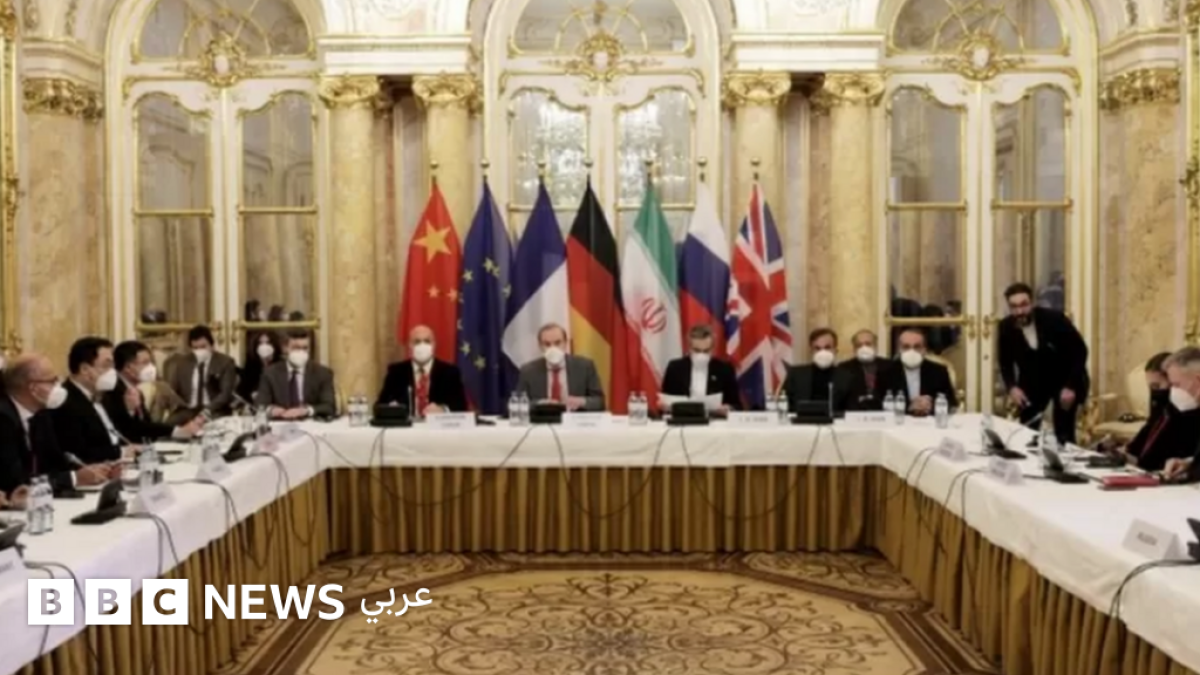
The controversy persists regarding the specifics of the U.S.-Iran agreement, particularly concerning nuclear facility inspections and the status of frozen Iranian assets. Furthermore, navigation security in the Strait of Hormuz and the deal's repercussions on the ongoing conflict in Lebanon remain critical points of contention. These unresolved issues underscore the complexity of regional dynamics and America's strategic interests.